
Would you like to switch to the accessible version of this site?

Go to accessible site Close modal window

Don't need the accessible version of this site?

Hide the accessibility button Close modal window
Accessibility View Close toolbar
Eye Catchers

204 E. College Blvd.

Roswell, NM 88201 USA

575-625-9800

Open mobile navigation
  • Home
  • New Patient Center
    • Online Forms
    • Payments Options
  • Eyecare Services
    • Contact Lens Exams
    • Eye & Vision Exams
    • Lasik Eye Surgery
    • Eye Surgery
    • Hard to Fit Contacts
    • Computer Vision
    • Sunglasses
  • Frame Selection
  • About Us
    • Meet The Optometrist
  • Contact Us
  • Blog
  • Community Content
    • Common Eye Conditions
      • Age-Related
      • Cognitive and Acquired
      • Vision Impairment
      • Injury & Irritation
      • Eye Lids
      • Changes in Appearance
    • Contact Lenses
    • Eye Diseases
    • Eyeglasses
      • Eyeglass Lenses
    • Eye Symptoms
    • How the Eyes Work
      • Basic Visual Skills
    • Pediatric Vision
    • Protecting Your Eyes
    • Visual Rehabilitation
    • Vision Problems
    • What is Vision Therapy
    • Vision Therapy Programs
    • We Can Help With
      • Cataracts
      • Corneal Disorders
        • Disorders
      • Glaucoma
      • Refractive Disorders
      • Adult Strabismus
      • Retinal Disorders
    • Newsletters
      • Glasses & Frames
      • Contacts
      • Tips for Healthy Eyes
      • Conditions That Affect Vision
      • Kid's Vision
      • Amazing, Interesting Eyes
      • Medical Perspectives
  • Home >
  • Articles >
  • Newsletters >
  • The Challenges of Night Driving and Your Vision

The Challenges of Night Driving and Your Vision

  • Created in Newsletters

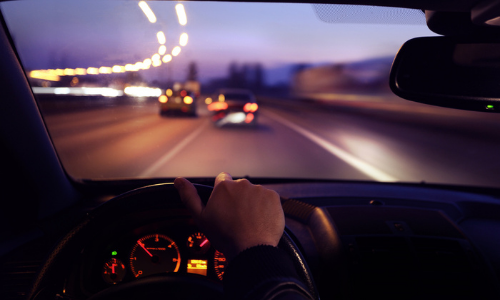
Man driving at night

Do You Have Trouble Seeing While Driving at Night?

No matter what your age, night driving can be a little challenging, whether you're driving around the corner or across the country. Low lighting, glare, and other factors may make it difficult to see clearly and react quickly to hazards.

Why Driving Is Harder at Night

Your ability to drive safely at night may be affected by:

  • Availability of Street Lights. It's obviously more difficult to see in areas that aren't well lit. UK researchers discovered that injury severity increased by almost three times if an accident occurred on a road that had no lighting.
  • Glare. Glare, depending on the amount, can be a minor annoyance and or may make it impossible to see. You may experience more problems with glare from oncoming headlights as you get older.
  • Headlight and Windshield Problems. Dirty windshields and hazy or misaligned headlights can contribute to night vision problems.
  • Age-Related Vision Changes. In addition to trouble handling glare, natural changes in your vision related to aging may make night driving harder. As you get older, the muscles that control your pupil weaken, and the pupil becomes a little smaller. This means less light enters your eyes when it's dark. Rod cells also decline as you get older. These photoreceptor cells, located in the retina, are essential for good night vision.
  • Eye Diseases and Conditions. You may notice problems with glare and see halos around lights at night if you have cataracts. Cataracts occur when the clear lenses inside your eyes become cloudy. Other eye diseases and conditions that may affect night driving include macular degeneration, vitamin A deficiency, glaucoma, and retinal diseases.
  • Dry Eyes. Glare may seem worse if your eyes are too dry.

What You Can Do if You Have Trouble Driving at Night

Taking a few of these steps can help you drive safely:

  • Avoid Looking Directly at Lights. Minimize the effects of glare by shifting your gaze slightly to the side when oncoming cars come close to you.
  • Get Rid of Haze on Your Headlights. Discolorations on plastic headlight coverings can dim your headlights, making it difficult to see at night. If cleaning doesn't clear the headlight covers, buy new ones.
  • Realign Your Headlights: It's difficult to see the road ahead of you if your headlights aren't properly aligned. The next time you visit a mechanic, request to have your headlight alignment checked.
  • Do a Little Cleaning. Keeping headlights and your windshield clean will make it easier to find your exit or spot an obstruction in the road.
  • Keep Your Eyes Moist. Use artificial tears to lubricate your eyes if you have dry eyes. Blink more often to spread tears across your eyes.
  • Reduce Your Speed. Slow down if you're having trouble seeing. Decreasing your speed is a simple way to ensure that you reach your destination safely.
  • Drive During the Day if You Have Difficulty Seeing at Night. It's best to limit long trips, or even short ones, to the daylight hours if it's very difficult to see at night.
  • Visit Your Optometrist. If you've noticed that it's harder to see at night lately, it's a good idea to visit your eye doctor. Your optometrist can determine if the problem is caused by natural aging changes or eye diseases and conditions, like cataracts or glaucoma. If you do have a vision problem, your optometrist can recommend treatments or strategies that may help.

Are you concerned about your night driving ability? Call our office to schedule an appointment.

Sources:

Injury Prevention: Road Traffic Casualties: Understanding the Night-Time Death Toll, 4/2006
American Academy of Ophthalmology: Night Vision 12/19/18
Harvard Health Publishing: Blinded by the Night, 6/07

Car and Driver: Do and Don’ts For Safe Night Driving, 7/2/19

American Optometric Association: Senior Vision: Over 60 Years of Age

Safety Serve: Driving at Night

The National Safety Council: The Most Dangerous Time to Drive

  • Common Eye Conditions
    • Age-Related
    • Cognitive and Acquired
    • Vision Impairment
    • Injury & Irritation
    • Eye Lids
    • Changes in Appearance
  • Contact Lenses
  • Eye Diseases
  • Eyeglasses
    • Eyeglass Lenses
  • Eye Symptoms
  • How the Eyes Work
    • Basic Visual Skills
  • Pediatric Vision
  • Protecting Your Eyes
  • Visual Rehabilitation
  • Vision Problems
  • What is Vision Therapy
  • Vision Therapy Programs
  • We Can Help With
    • Cataracts
    • Corneal Disorders
      • Disorders
    • Glaucoma
    • Refractive Disorders
    • Adult Strabismus
    • Retinal Disorders
  • Newsletters
    • Glasses & Frames
    • Contacts
    • Tips for Healthy Eyes
    • Conditions That Affect Vision
    • Kid's Vision
    • Amazing, Interesting Eyes
    • Medical Perspectives

Contact Us

Featured Links

Click to find out more

Monday:

Closed

Tuesday:

8:30 am-12:00 pm

1:30 pm-5:00 pm

Wednesday:

8:30 am-12:00 pm

1:30 pm-5:00 pm

Thursday:

8:30 am-12:00 pm

1:30 pm-5:00 pm

Friday:

8:30 am-12:00 pm

1:30 pm-5:00 pm

Saturday:

8:30 am-12:00 pm

Sunday:

Closed

Testimonials

Reviews From Our Satisfied Patients

  • "We use Anderson Optometry for all of our family’s vision needs. Recently, we had to have our youngest fitted for new glasses and he made the experience fun for her and informative for us. We know Dr. Anderson will always take good care of our family’s eye care and that’s why we wouldn’t go to anywhere else."
    The Harrison Family
  • "Dr. Anderson and his staff are so patient and friendly. Dr. Anderson prescribed me glasses and I had the toughest time picking out frames. They didn’t rush, but instead made helpful suggestions and now I have an awesome pair of frames, not to mention the fact that I can see ten times better than before. You guys are the best!"
    Shelly
  • "I’ve been going to Dr. Anderson for over five years now and even though I only see him once a year for my annual exam, he and his staff always make me feel very welcome and take care of all my eye care needs. Anderson Optometry is the best at what they do and make you feel right at home."
    Anthony

Featured Articles

Read up on informative topics

    March Newsletter: Top Signs You Need to See an Optometrist

    Do you need to make an appointment with the eye doctor? ...

    Read More

    March Newsletter: How Dehydration Affects Your Eye Health

    Do you know how dehydration affects your eyes? ...

    Read More

    February Newsletter: How to Prepare for an Eye Exam

    Are you ready for your eye exam? ...

    Read More

    February Newsletter: What are Eye Floaters and When Should You Seek Treatment?

    Do you know when eye floaters need treatment? ...

    Read More

    January Newsletter: Why You Should Not Ignore Dry Eye Symptoms

    Are your eyes dry? Find out why you shouldn't overlook your symptoms. ...

    Read More

    January Newsletter: How the 20-20-20 Rule Can Reduce Eye Strain

    Struggling with eye strain? This simple rule can help. ...

    Read More

    December Newsletter: The Best Contact Lenses for Dry Eyes

    Need to find more comfortable contacts for your dry eyes? Take a look at these options. ...

    Read More

    December Newsletter: Daily Habits That Affect Your Vision

    Could your daily habits harm your eyesight? ...

    Read More

    November Newsletter: Why It's Important to Have an Extra Pair of Eyeglasses or Contact Lenses

    Do you have an extra pair of eyeglasses or contact lenses? ...

    Read More

    November Newsletter: The Advantages of Rimless Eyeglasses

    Are rimless eyeglasses right for you? ...

    Read More

NEWSLETTER SIGNUP

Sign up for more articles

Follow Us

  • Copyright © 2026 MH Sub I, LLC dba iMatrix.
  • Admin Log In
  • Site Map