
Would you like to switch to the accessible version of this site?

Go to accessible site Close modal window

Don't need the accessible version of this site?

Hide the accessibility button Close modal window
Accessibility View Close toolbar
Eye Catchers

204 E. College Blvd.

Roswell, NM 88201 USA

575-625-9800

Open mobile navigation
  • Home
  • New Patient Center
    • Online Forms
    • Payments Options
  • Eyecare Services
    • Contact Lens Exams
    • Eye & Vision Exams
    • Lasik Eye Surgery
    • Eye Surgery
    • Hard to Fit Contacts
    • Computer Vision
    • Sunglasses
  • Frame Selection
  • About Us
    • Meet The Optometrist
  • Contact Us
  • Blog
  • Community Content
    • Common Eye Conditions
      • Age-Related
      • Cognitive and Acquired
      • Vision Impairment
      • Injury & Irritation
      • Eye Lids
      • Changes in Appearance
    • Contact Lenses
    • Eye Diseases
    • Eyeglasses
      • Eyeglass Lenses
    • Eye Symptoms
    • How the Eyes Work
      • Basic Visual Skills
    • Pediatric Vision
    • Protecting Your Eyes
    • Visual Rehabilitation
    • Vision Problems
    • What is Vision Therapy
    • Vision Therapy Programs
    • We Can Help With
      • Cataracts
      • Corneal Disorders
        • Disorders
      • Glaucoma
      • Refractive Disorders
      • Adult Strabismus
      • Retinal Disorders
    • Newsletters
      • Glasses & Frames
      • Contacts
      • Tips for Healthy Eyes
      • Conditions That Affect Vision
      • Kid's Vision
      • Amazing, Interesting Eyes
      • Medical Perspectives
  • Home >
  • Articles >
  • Common Eye Conditions >
  • Cognitive and Acquired >
  • Optic Neuritis

Optic Neuritis

  • Created in Common Eye Conditions, Cognitive and Acquired

optic neuritis

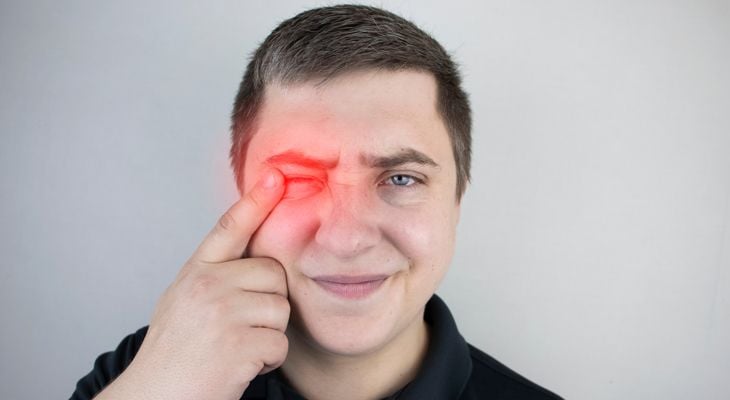
Also known as demyelinating optic neuritis, optic neuritis refers to the inflammation of the optic nerve due to the loss of or damage to a protective covering called myelin, which surrounds the optic nerve. The myelin is essential to the function of the optic nerve. A more general term, optic neuropathy, refers to nerve damage or abnormalities due to blocked blood flow, disease, or toxic exposure. Optic neuritis is a type of optic neuropathy.

Symptoms

Several vision symptoms accompany optic neuritis including blurred vision, blind spots, pain with eye movement, and reduced color vision. These symptoms typically precede a loss of vision. If left untreated, optic neuritis can lead to permanent optic nerve damage and permanent loss of visual acuity.

Causes

Although the exact cause of optic neuritis is not yet understood, optic neuritis occurs when the body's immune system mistakenly attacks the myelin, which protects your optic nerve. The myelin is vital for the proper function of the optic nerve. When damaged, the nerve cannot efficiently transfer electric signals/information from the eyes to the brain, hindering vision.

Optic neuritis tends to occur in conjunction with several medical conditions, disorders, and diseases including multiple sclerosis (MS), neuromyelitis optica, systemic lupus erythematosus, sarcoidosis, Lyme disease, ocular herpes, syphilis, measles, mumps, and sinusitis. In addition, optic neuritis can also develop in reaction to certain medications.

Most common among women, young adults between the ages of 20 and 40 are at the greatest risk of developing optic neuritis.

Diagnosis and Treatment

Eye care professionals diagnose optic neuritis using a series of tests and evaluations including a routine eye exam, an ophthalmoscopy (to inspect the back of the eye, looking for a swollen optic nerve), pupillary light reaction test (to check for abnormal function of the pupil), and blood tests.

Patients diagnosed with optic neuritis are much more likely to develop MS. As a result, if a patient is diagnosed with optic neuritis, an MRI will often be recommended to look for further signs of nerve damage and the possible development of MS.

Optic neuritis may clear up on its own. If, however, it does not, an eye care professional will usually recommend a regimen of steroids administered both orally and intravenously to reduce inflammation and suppress the immune system.

If signs of MS are present in the patient, medications to slow the onset or development of MS will also be prescribed.

  • Common Eye Conditions
    • Age-Related
    • Cognitive and Acquired
    • Vision Impairment
    • Injury & Irritation
    • Eye Lids
    • Changes in Appearance
  • Contact Lenses
  • Eye Diseases
  • Eyeglasses
    • Eyeglass Lenses
  • Eye Symptoms
  • How the Eyes Work
    • Basic Visual Skills
  • Pediatric Vision
  • Protecting Your Eyes
  • Visual Rehabilitation
  • Vision Problems
  • What is Vision Therapy
  • Vision Therapy Programs
  • We Can Help With
    • Cataracts
    • Corneal Disorders
      • Disorders
    • Glaucoma
    • Refractive Disorders
    • Adult Strabismus
    • Retinal Disorders
  • Newsletters
    • Glasses & Frames
    • Contacts
    • Tips for Healthy Eyes
    • Conditions That Affect Vision
    • Kid's Vision
    • Amazing, Interesting Eyes
    • Medical Perspectives

Contact Us

Featured Links

Click to find out more

Monday:

Closed

Tuesday:

8:30 am-12:00 pm

1:30 pm-5:00 pm

Wednesday:

8:30 am-12:00 pm

1:30 pm-5:00 pm

Thursday:

8:30 am-12:00 pm

1:30 pm-5:00 pm

Friday:

8:30 am-12:00 pm

1:30 pm-5:00 pm

Saturday:

8:30 am-12:00 pm

Sunday:

Closed

Testimonials

Reviews From Our Satisfied Patients

  • "We use Anderson Optometry for all of our family’s vision needs. Recently, we had to have our youngest fitted for new glasses and he made the experience fun for her and informative for us. We know Dr. Anderson will always take good care of our family’s eye care and that’s why we wouldn’t go to anywhere else."
    The Harrison Family
  • "Dr. Anderson and his staff are so patient and friendly. Dr. Anderson prescribed me glasses and I had the toughest time picking out frames. They didn’t rush, but instead made helpful suggestions and now I have an awesome pair of frames, not to mention the fact that I can see ten times better than before. You guys are the best!"
    Shelly
  • "I’ve been going to Dr. Anderson for over five years now and even though I only see him once a year for my annual exam, he and his staff always make me feel very welcome and take care of all my eye care needs. Anderson Optometry is the best at what they do and make you feel right at home."
    Anthony

Featured Articles

Read up on informative topics

    March Newsletter: Top Signs You Need to See an Optometrist

    Do you need to make an appointment with the eye doctor? ...

    Read More

    March Newsletter: How Dehydration Affects Your Eye Health

    Do you know how dehydration affects your eyes? ...

    Read More

    February Newsletter: How to Prepare for an Eye Exam

    Are you ready for your eye exam? ...

    Read More

    February Newsletter: What are Eye Floaters and When Should You Seek Treatment?

    Do you know when eye floaters need treatment? ...

    Read More

    January Newsletter: Why You Should Not Ignore Dry Eye Symptoms

    Are your eyes dry? Find out why you shouldn't overlook your symptoms. ...

    Read More

    January Newsletter: How the 20-20-20 Rule Can Reduce Eye Strain

    Struggling with eye strain? This simple rule can help. ...

    Read More

    December Newsletter: The Best Contact Lenses for Dry Eyes

    Need to find more comfortable contacts for your dry eyes? Take a look at these options. ...

    Read More

    December Newsletter: Daily Habits That Affect Your Vision

    Could your daily habits harm your eyesight? ...

    Read More

    November Newsletter: Why It's Important to Have an Extra Pair of Eyeglasses or Contact Lenses

    Do you have an extra pair of eyeglasses or contact lenses? ...

    Read More

    November Newsletter: The Advantages of Rimless Eyeglasses

    Are rimless eyeglasses right for you? ...

    Read More

NEWSLETTER SIGNUP

Sign up for more articles

Follow Us

  • Copyright © 2026 MH Sub I, LLC dba iMatrix.
  • Admin Log In
  • Site Map